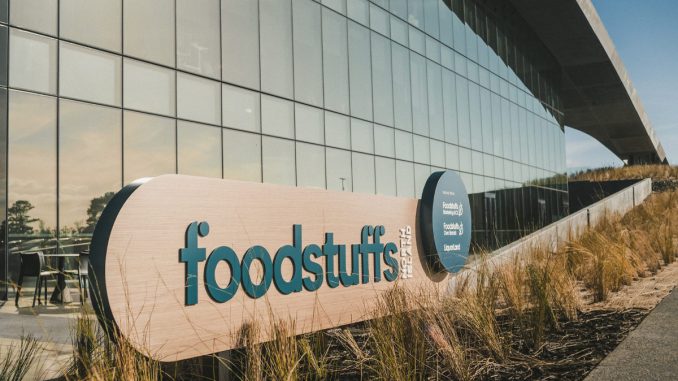
Whilst Australia seems happy with oligopolies, duopolies and monopolies exercising market control over consumers, New Zealand consumers are possibly set for relief with proposals to break up the country’s supermarket duopoly.
With NZ’s general election four weeks away, the market power of the nation’s supermarkets has become a big issue. Its two main supermarket groups, Foodstuffs and Woolworths hold an 82 per cent market share and there has been pressure on regulators to act for some time.
Woolworths operates under one brand, while Foodstuffs trades under three; New World, Four Square and PAK’nSAVE.
All of the parties vying for votes at the 7 November election—and ironically the choice of political parties is greater than the choice of supermarkets—have different proposals for a shake up or break up.
The Nationals and New Zealand First want to split Foodstuffs into two.
The ACT Party wants to relax regulation in order to make it easier for a foreign supermarket chain to enter the market; such a proposal could have Coles chomping at the bit. Some commentators say this is a workable proposal but for years NZ has been “hoping” ALDI would come to NZ without any joy.
Labour wants to break up the control the current duopoly players have over wholesale networks by splitting them from their wholesale arms.
The Greens have the most radical proposal in forcing both chains to sell stores to the government which would create a publicly-owned supermarket chain called KiwiMart.
Current landscape
Supermarkets are traditionally a high volume/low margin businesses, but Foodstuffs enjoys a profit margin of more than 6 percent; that’s more than double the OECD average for its sector.
Due in part to a number of one-off factors, Woolworths New Zealand’s profit margin is currently around 1.9 per cent. However, as reported in the Australian Financial Review its profit margin has historically been around 5.3 per cent.
A 2021 report from the Commerce Commission stated that NZ grocery prices were in the top ten of nations in the OECD. Bottom line is NZ consumers are not necessarily being gouged by the two chains but clearly all of the market power rests with the supermarkets.
Chris Quinn, managing director of Foodstuffs, told 1 News of the push to break up the duopoly, “Clearly, you know, there is a populist nature to a lot of this.”
His group recently announced a NZ$340 million expansion to its Palmerston North warehouse facility and Quinn says that investment is now at risk.
Where have we heard that before? Big business getting government to do its bidding with the threat of new or existing jobs on the line.
Even if the supermarkets can commit to keeping a lid on price increases—which Woolworths has this year—the reality is all sides of politics seem to be backing a winner.
A recent report showed that NZ’s real wage growth is the worst in the OECD. Data for 2026 shows that consumer prices are rising at twice the rate of real wages.
According to various surveys, in New Zealand around 13 per cent of weekly household budgets are spent on food and groceries. If it takes government to finally act to give consumers relief this could be an important test case for Australia.