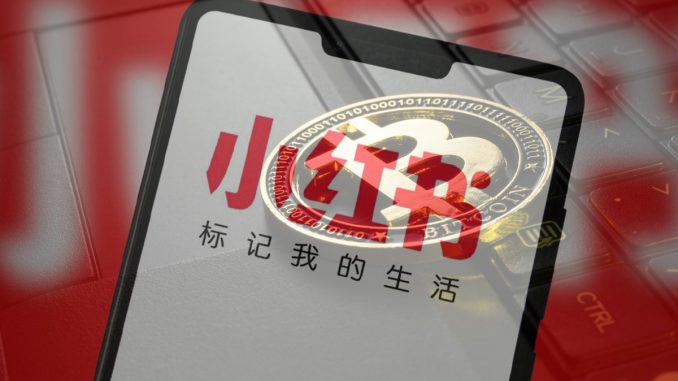
Chinese scammers, likely based in southeast Asia, are targeting Chinese-Australians with elaborate campaigns drawing in potential victims. Melbourne-based Amy Xie realised she was being scammed before it was too late, instead turning the tables on her scammer.
Story by Amy Xie
In May 2025, through my Xiaohongshu (known as Red Note outside of China) account, I was unexpectedly contacted by a self-proclaimed cryptocurrency expert. Despite having no public posts related to cryptocurrency, I received a direct message asking: “Which cryptocurrencies do you think are promising in this bull market?”
Puzzled, I asked how they were identified as a crypto investor. The alleged expert casually replied: “Big data.”
I quickly raised suspicions because I had never engaged with crypto-related content on the platform, speculated that they may have been targeted by accounts tracking followers of other crypto-themed profiles—possibly all run by the same group.

Further investigation into the messaging patterns and profiles connected to the original message painted a troubling picture. Comments under crypto-related posts all appeared to funnel users toward the same group chat, suggesting a coordinated effort. When viewing the commenters’ profiles, several red flags emerged: some had identical bios, while others shared profile pictures flaunting luxury goods—common tactics used to create the illusion of credibility and success.
Why I Decided to Keep Chatting with a Suspected Crypto Scammer
Curiosity drove me to continue the conversation. I wanted to understand how these scammers operate.
One thing that surprised me was their carefully crafted strategy. The person shared what appeared to be daily market updates and past “successful” predictions — likely sourced from elsewhere online. These updates came in the morning, midday, and evening, creating an illusion of expertise and consistency.

At the same time, they were building a persona: wealthy, successful, and single. For example, they claimed to own a Mercedes AMG G63 luxury car (which does not comply, a picture which the scammer claimed was his on Wechat shows a Q7 car’s interior) and frequently offered flattering compliments — all while subtly trying to extract personal information such as my age, height, profession, and hobbies.
Naturally, I didn’t share any of that. I kept our communication limited to chat-only mode on WeChat and withheld all personal details.
I kept waiting for the scammer to reveal their true intent — to ask for money, push a fake investment opportunity, or add me to a suspicious group. But for days, that moment never came. Aside from repeatedly probing for personal details, they stuck to sharing market updates.
It felt like I had stumbled into a much larger and carefully laid trap — one designed to gain trust slowly before striking.
The More Shocking Discovery
What I discovered next was even more alarming — the scammer’s social media profile.
Their WeChat Moments (similar to Facebook’s timeline) included a photo captioned: “Taking time to relax. I’ve always been free.” But the photo had been claimed by the suspect that it was stolen from elsewhere. A car key was visible in the corner — and it wasn’t even a Mercedes key, despite their earlier claims of owning a Mercedes AMG G63 luxury vehicle. Another post featured a Mother’s Day gift, supposedly a luxury handbags and fresh flowers. But in the accompanying photo of the woman alleged to be his mother, there were no gifts or flowers in her hands. It simply didn’t add up.
These inconsistencies led me to a chilling realization: this person might not even have personal freedom. The entire persona — lifestyle, photos, identity — was likely fabricated using stolen images. I suspected the scammer could be part of the widespread online scam networks based in northern Myanmar, so I directly asked if he was being held there. He went silent. Within the hour, he blocked me on both WeChat and Xiaohongshu. By the next day, his Xiaohongshu account had been deleted — showing as “user does not exist.”

The Scam
There were several telltale signs.
1. Stolen Identity and Fabricated Persona
The scammer used the name of Dong Zhengjie, the legal representative of Guangzhou Munew Blockchain Technology Co., Ltd. His username appeared to combine “Huangpu Military Academy” (a symbol of prestige in China) with this real person’s identity — likely an attempt to feign legitimacy. He claimed to be a student-turned-mentor at “Munew Business School,” offering to share his supposedly accurate market predictions, and tried to recruit me as a “disciple.”
The playbook seemed clear: lure victims into a group chat, overwhelm them with frequent trading updates, and eventually convince them to register and deposit money on a fake trading app — stealing both data and funds. On June 4, I searched “Munew Data App” on Google and briefly found a website, but it disappeared shortly after. A legitimate company wouldn’t need to operate under such secrecy.
2. Recruitment for Online Jobs
Before the account was deleted, I noticed another disturbing element: posts recruiting part-time workers for online jobs. It’s likely these “hires” were used to operate multiple scam accounts and to leave comments across various devices and IP addresses.

What Not to Do
1. Don’t trust self-proclaimed crypto or blockchain experts who reach out to you unsolicited.
There are no free lunches — scammers prey on greed. This one, for example, kept emphasizing 5x to 10x returns. Their tactics may vary based on your personality and responses.
2. Don’t join suspicious group chats.
They exist solely to influence you with manipulated information and fake social proof.
3. Don’t believe the personal stories or photos scammers show you.
All of it — names, pictures, luxury lifestyles — are likely fabricated or stolen.
4. Never share your personal information with strangers online.
5. Don’t be swayed by flattery or false promises.
Scammers are trained in psychological manipulation. Their compliments are scripted, and their “bonding” is part of a rehearsed strategy. They are not your soulmate, friend, or business partner.
What You Should Do
1. Pay close attention to your loved ones.
Support them emotionally and communicate often. Many people fall victim to scammers because they’re emotionally vulnerable. Don’t let a scammer offer the emotional validation your loved ones should be receiving from family.
2. Rely on trusted news outlets and institutional research.
Make your own judgments based on reliable sources. Only trade on legitimate platforms — and never allow others to access your accounts.
This experience was eye-opening. Despite clearly stating in my bio that I have over a decade of experience in finance, I was still targeted — a chilling thought, considering how much more vulnerable others might be. It shows how sophisticated and calculated online scams have become — and how easily someone can fall into the trap. By sharing my story, I hope to help others recognize the red flags before it’s too late.