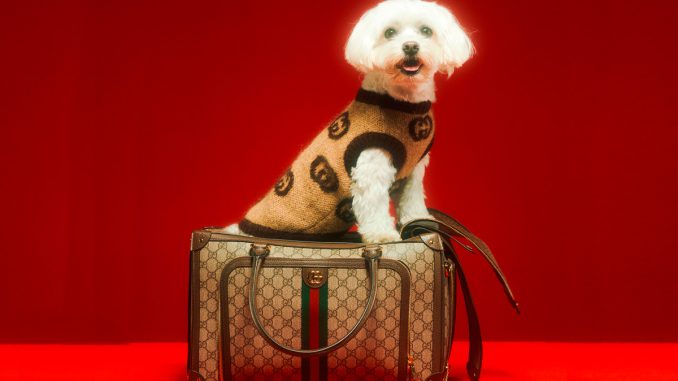
Luxury brands cash in with consumers splurging on their furry friends in China’s $US83 billion pet market
It isn’t just your average pet food and run-of-the-mill accessories that are driving China’s pet products market. The premium sector is seeing the most growth, spurred by luxury brands and the mainland’s growing focus on health and wellness.
In 2023, China’s pet economy reached $US82.99 billion, with the market projected to grow to $US161 billion by 2028. Female consumers from first-tier cities make up the majority of spenders, reports iiMedia Research, with those aged 18 to 30 comprising the largest group.
Major socio-economic shifts in China, including a declining marriage rate, a growing singles economy, and falling birth rates are spurring individuals to spend more on their pets. Moreover, according to recent data, nearly 80% of Chinese pet owners have maintained or increased spending on their animals post-Covid-19.
Pet ownership has become a significant lifestyle trend, with younger locals increasingly viewing pets as family members, Anaïs Bournonville,co-founder of luxury marketing agency Reverse Group, told Jing Daily earlier this year.
Global brands move in
Premium goods have emerged as the most vibrant segment of China’s pet industry, with Bournonville noting that the mainland’s younger generations often don’t hesitate “to purchase luxury items for their pets with accessories from Gucci or Celine.”
Global brands have been quick to spy an opportunity. Hermès debuted a $US1,254 oak wood dog bowl in 2021; Tommy Hilfiger partnered with Kanine for its debut pet collection in 2022; Celine featured creative director Hedi Slimane’s labradoodle Elvis in a campaign for its pet accessories; Fendi has launched luxury pet travel gear; Gucci now offers customized pet products; and Pharrell William designed a luxury capsule of dog-walking outfits for Louis Vuitton’s Spring/Summer 2025 Men’s pre-collection in June.
Just last month, Vogue also launched its own spin-off publication, coined Dogue, featuring digital covers dedicated to the dogs of international celebrities, underpinning the current demand towards pet-related content among fashion enthusiasts. Canine cover stars included Billie Eilish’s Shark, actor Glen Powell’s now-viral rescue Brisket, Thom Browne’s dachshund Hector, and actress Ayo Edebiri’s chihuahua Gromit.
Emotion driving consumption
According to research released by Alibaba Group’s marketing platform Alimama in January, the keyword phrase “raising pets as babies” (养娃式养宠) was one of this year’s biggest Valentine’s Day trends in China.
Brands like Bebe cashed in on the holiday, with the American apparel maker releasing a limited-edition Valentine’s Day gift box featuring a matching clothing set for pets and their owners.
While concepts like Bebe’s gift box might seem extreme, emotional appeal outweighs functionality when it comes to pet-related goods, says Elisa Harca, co-founder of marketing agency Red Ant Asia.
“Brands know the value people place on their pets,” Harca adds. “Their emotional connection runs deep, hence their purchases are love-based versus practicality based.”
Healthy options
As Chinese consumers place more emphasis on their health, they’re doing the same for their pets.
In recent years, a sharpening focus on pet health and wellness has opened up the market for health-oriented products, particularly those that are eco-friendly and cruelty-free, reports Wai Social, a Shanghai-based agency that helps brands navigate China’s social media.
L Catterton, the private equity firm LVMH formed with Catterton and Groupe Arnault in 2016, has already identified the opportunity. As part of its China expansion, the company invested in Shanghai Enova Pet Products, owner of leading domestic premium pet food brand Pure & Natural in 2022, and Pet Partner, another growing premium pet food label in 2023
This mindset is clear on China’s e-commerce platforms, where demand for luxury pet products has surged. On Taobao, for instance, searches for matching pet costumes, pet photography sessions, and custom items have spiked as consumers seek new ways to indulge their furbabies.
KOLs fuelling the boom
The surge in pet ownership across China is driving a boom in online pet content, from grooming tips to travel guides.
For many consumers in both the East and West, scrolling through pet posts has “become a way to relax,” says Diliziya Dilixiati, cultural and marketing consultant at Cherry Blossoms branding agency.
With pet-related posts generating strong engagement across local social platforms – notably Xiaohongshu and video-sharing app Douyin – pet owners and pet-related KOLs have formed vibrant online communities. Brands want in.
Local pet lifestyle brand Vetreska, for example, is capitalizing on the trend by partnering with popular content creators across fashion, pet care, and interior design. Zeze, another domestic retailer popular for its interactive pet products and quirky collections, has amassed over 37,000 followers on Xiaohongshu through its playful content.
Cherry Blossoms’ Dilixiati believes that this spike in holistic and organic products is a reflection of younger consumers becoming more financially flush.
“As incomes rise, more Chinese youth can afford to treat their pets to a lifestyle that matches their own,” Dilixiati says. “Owning a pet and providing them with premium care is seen as trendy, even a symbol of personal success. You’ll find people investing in everything from gourmet pet food to designer collars because it reflects their modern lifestyle.”
A proliferation of pet-free destinations is also boosting the pet industry, says Lucrezia Seu, founder of Shanghai-based marketing agency Plush Consulting.
“Many cities in China have become more pet-friendly, with cafes, restaurants, and stores now welcoming pets,” she adds, noting that a generational shift in attitudes toward pets in public spaces is helping fuel the mainland’s pet-ownership boom.
As a result, demand for pet-friendly exercise classes, wellness retreats, and travel experiences is on the rise. Local initiative HiPawLab has tapped into the trend by collaborating with businesses to make urban spaces, like exhibitions and pilates studios, more accessible to pets.
With pets increasingly in the public eye, their presentation is becoming more important, Seu says, hence the emphasis on luxury goods.
“Buying pet-related items is not only a necessity for the care and well-being of our animals, but it’s also a leisure purchasing pattern, which includes aesthetic, fashion and lifestyle items that merge with our own sense of style,” Seu adds. “Since pets are often included in social activities and brought out on trips, it makes sense that owners are also buying products that fit different scenarios and performance attributes.”
A pet owner herself, would Seu ever indulge in a luxury product for her furry companion?
“I’ve already bought Aesop pets shampoo as well as the Dyson vacuum attachment designed to brush and clean up dog hair,” she says. “As for luxury items, my dog doesn’t like to wear clothes and doesn’t enjoy changing collars, however, I did purchase dog bowls and a waste bag holder from Jacques Wei Pets.”
By Bethanie Ryder, article first published by Jing Daily (main image supplied/Gucci)