Are China’s luxury boutique hotels about to go global?
(Jing Daily) With domestic tourism booming in China over the past five years amid the Covid-19 pandemic, a growing number of enterprising independent hoteliers are using design and culture to attract a more discerning and affluent traveler.
One example of this is the Yangshuo Sugar House, situated near the tourist town of Yangshuo in the southern Guangxi Zhuang Autonomous Region, which has been transformed from an abandoned sugar mill to a luxurious heritage resort. Worlds apart from the mass-market resorts and hotels that proliferate in and around Yangshuo, the Yangshuo Sugar House could embody the growing ambitions of a new generation of mainland Chinese hospitality entrepreneurs.
Restored over 11 years by investors Danny T.T. Chan and Yang Xiaodong, the Sugar House preserves its original architecture and integrates elements such as political slogans and old machinery, much like Beijing’s 798 Art Zone did two decades ago. Initially opened as part of the Alila brand in 2017, the Yangshuo Sugar House now operates independently and is set to spearhead the new Aurua brand, focusing on “nature, terroir, presence, and aura.”
This project underscores a growing trend among Chinese tourists who now show a keen interest in heritage and tradition, a shift from the previous preference for international destinations. Perhaps more importantly, it shows that homegrown boutique hotels can compete with high-end international chains and domestic high-end hotel brands.
“One very attractive element of Chinese boutique hotels is how they play a role in bringing the traveler closer to the local culture. Unlike chains which offer a consistent experience and design at every location, boutique hotels offer a more local experience,” Allison Malmsten, China Strategy Consultant and APAC Marketing Director at Daxue Consulting, tells Jing Daily.
Local designs, additional services
What sets the new generation of independent boutique hotels in China apart from their older competitors is a focus on local design and value-added services, rather than walls festooned with contemporary art or traditional tea houses or restaurants.
One example of this type of chain is Nuo Hotels, which launched its first property in 2012 near Beijing’s Art Zone 798. A collaboration between Beijing Tourism Group and Switzerland-based Kempinski Hotels, Nuo’s flagship features contemporary Chinese art and design inspired by Ming dynasty aesthetics, largely catering to an older domestic consumer base.
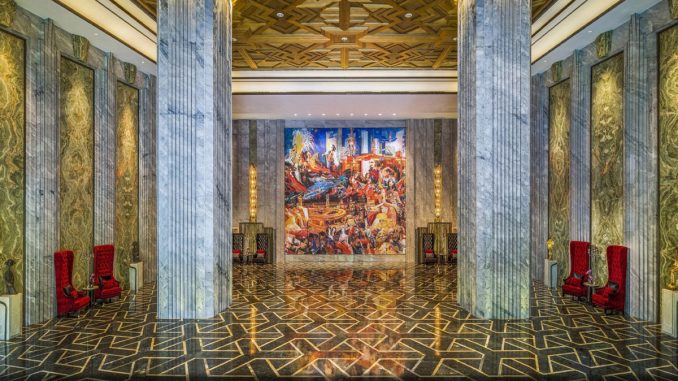
Taking a more aggressive approach since its founding in 2007, Wanda Hotels & Resorts has focused on rapid domestic expansion across multiple portfolio chains, among them the ultra-luxury Wanda Reign, more traditional Wanda Jin, and premium Wanda Realm. More recently, the company’s Wanda Vista chain kicked off an international expansion effort that saw it open its first overseas location in Istanbul in 2021, and second in Vientiane, Laos last month.
The question is whether this type of international expansion will be left to the likes of large and largely faceless chains like Nuo, Wanda, or the IHG-owned Chinese imprint Hualuxe, or whether small, independent Chinese boutique hotels will have more luck expanding regionally and globally.
One example of a domestic boutique chain that could have regional or international appeal is Ahn Luh, a collaboration between Beijing Tourism Group and Amanresorts founder Adrian Zecha. The group’s first property, Ahn Luh Zhujiajiao, was designed by Malaysian architect and interior designer Nicholas Fung and offers services like a library, Tai Chi room, and a Traditional Chinese Medicine consultation desk – helping the hotel leverage growing demand for health and wellness among affluent Chinese travelers.
Boutique architecture
Other homegrown boutique hotels attract more sophisticated travelers through design by prominent domestic architecture firms. Examples of properties revitalizing historical structures to create unique luxury experiences include the Lost Villa in Ningxia by DAS Lab, Annso Hill Hotel in Yunnan by Studio Qi, and the Walled Tsingpu Yangzhou Retreat in Jiangsu by Neri&Hu.
Having gained the attention of international design media, these properties highlight the potential for Chinese boutique hotels to attract domestic and international guests, offering unique experiences that rival those of established global brands like Aman. They have also benefited from popular social platforms like Xiaohongshu, which are now instrumental in fostering travel trends among younger travelers.
As Malmsten puts it, “Boutique hotels are … dominating the travel scene on Xiaohongshu as the hotel design and views are picturesque. When searching for travel locations on the app, much of the content posted is (about) boutique hotels, which can be found on Ctrip. Xiaohongshu (and other social media apps) play a big role in the decision-making process of traveling, and travelers often want to replicate the cool experiences they see on social media.”
Malmsten adds that homegrown independent boutique hotels have leveraged selling points like scenic views and Xiaohongshu-ready aesthetics while keeping operational costs low by forgoing aspects like front desks, or doing check-ins over WeChat. Meanwhile, other boutique hotels are investing more in the experience and services themselves, such as offering complimentary afternoon teas with local delicacies or tours by local guides.
Ultimately, the success of independent Chinese boutique hotels depends on whether they can hit the right balance of aesthetics, comfort, price, services, and location.
Getting attention on Xiaohongshu or in the international press is one thing; translating that to deep traveler loyalty – encouraging these travelers to stick to the brand when traveling – is another.
However, if they are to expand into neighboring countries or farther overseas, one advantage that Chinese boutique hotels have is something unique compared to local properties. Spas incorporating Traditional Chinese Medicine or homegrown Chinese beauty and wellness brands might be run of the mill within China, but they’re far less common in places like Eastern Europe.
This adds up to opportunity for enterprising Chinese hoteliers. In China, the creative reuse of existing structures has attracted travelers interested in diverse local design cultures rather than the consistent experience found in larger chains.
Adds Malmsten of Daxue Consulting, “Experiencing local cultures in China is a big draw of travel for Chinese tourists, and a boutique hotel is a continuation of that experience.” This could very well remain the case as these adventurous travelers explore farther beyond their country’s borders.
By Avery Booker, this article was first published at JING DAILY
Main Image “Wanda Reign on the Bund” (image supplied)