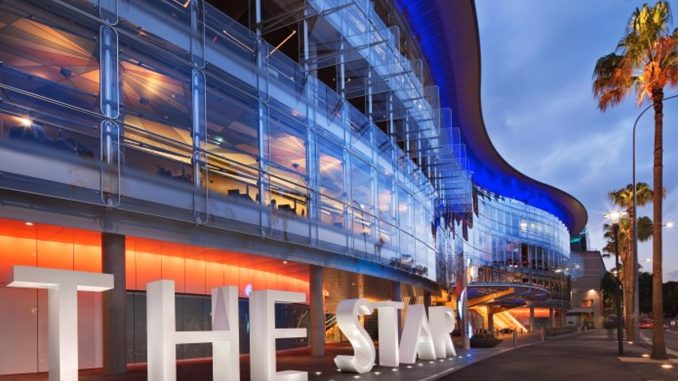
The suspension of the licence of The Star Sydney Casino has been extended into 2027. A win for tighter regulation but the casino’s operators might see it as a loss with the all powerful Australian Hotels Association and Clubs NSW allowed to run almost 90,000 poker machines, mainly across suburban Sydney, with little oversight when it comes to the societal damage of gambling.
The Star Sydney casino will remain under regulatory control for at least another nine months after the NSW Independent Casino Commission (NICC) decided not to lift its long-running licence suspension.
The latest decision, announced on 25 September 2026, extends the appointment of independent manager Nick Weeks until 30 June 2027. The extension means The Star Sydney can continue operating gaming facilities, but it cannot do so under its own unrestricted casino licence. Instead, Weeks continues to hold the licence and oversee the casino on behalf of the regulator.
The suspension dates back to October 2022, when the NICC took action following the first independent inquiry by Adam Bell SC. Bell’s 2022 review found The Star:
unsuitable to hold a NSW casino licence, identifying what the regulator described as systemic failures involving governance, risk management and corporate culture.
Among the matters identified were serious deficiencies in anti-money-laundering controls. The inquiry examined allegations and evidence concerning the handling of large amounts of cash, including activity associated with Salon 95, a private gaming area containing a second cash cage. The NICC also highlighted instances in which vulnerable patrons were allowed to gamble for prolonged periods and VIP customers were offered free alcohol as an inducement to gamble.
Allowed to continue operating under control
In response, the NICC suspended The Star’s licence indefinitely, imposed a $100 million penalty and appointed Weeks as manager. The suspension took effect on 21 October 2022. Importantly, the casino was not closed. The regulatory arrangement allowed it to continue operating while an independent manager exercised control over the casino licence.
The expectation was that the suspension could eventually be lifted if The Star demonstrated that it had addressed the problems identified by the inquiry. Instead, the process has continued for almost four years.
A second Bell inquiry, commissioned in 2024, examined whether the company had adequately responded to the findings of the first investigation. It considered governance, risk culture, management structures, financial resources and compliance with internal control requirements. The NICC subsequently imposed another $15 million penalty and issued directions covering governance, regulatory compliance and risk management. It also proposed additional conditions concerning board independence and key personnel.
The latest decision indicates that the regulator believes substantial remediation has occurred, but considers some issues unresolved. NICC Chief Commissioner Philip Crawford said The Star had “come a long way” in addressing the matters that resulted in the 2022 suspension. However, he said questions remained about governance, leadership and culture.
Poor corporate governance
The commission has also pointed to recent allegations concerning governance and culture within The Star Entertainment Group. It said these matters were being treated seriously by both the independent manager and the regulator. The NICC is also awaiting the outcome of civil proceedings brought against The Star by AUSTRAC and has raised questions about the group’s capacity to support the casino’s remediation while important leadership and governance positions are being filled.
The decision does not mean The Star Sydney has lost its licence permanently. The NICC has explicitly said the suspension can be lifted before June 2027 if the casino demonstrates that its remediation has been properly embedded and that it is capable of operating under its own licence.
For The Star, the prolonged suspension represents an unusual regulatory limbo. The casino remains open and generates revenue, but ultimate control of its casino licence remains outside the company’s hands.
The extension to June 2027 therefore represents another milestone in a regulatory process that began with the 2022 Bell inquiry. The central issue is no longer simply whether The Star can implement new policies and procedures, but whether the regulator is satisfied that changes to governance, leadership, risk management and corporate culture have become sufficiently established to withstand the test of time.